A Guide to Bespoke Packaging for the Beauty & Cosmetics Sector
In the beauty and cosmetics industry, packaging does much more than protect the product — it defines the brand experience. Whether you’re introducing a new range, entering new markets, or refining production efficiency, bespoke packaging offers an opportunity to elevate every stage of your business.
Designing tailored packaging means finding the right balance between creativity, practicality, and performance. Here’s how to approach it strategically.
Start with Your Brand Story
Before choosing shapes, colours, or finishes, consider what your packaging needs to say about your brand. In beauty, packaging is often the first point of contact between you and your customer—it sets expectations for quality, values, and experience.
Ask yourself:
What emotions should the packaging evoke?
How will it stand out on the shelf or online?
Does it reflect the brand’s tone — luxurious, minimalist, sustainable, or playful?
Every design choice should serve a purpose. For example, a skincare brand built on purity might use translucent materials and soft pastel tones, while a high-end fragrance could benefit from weighty, tactile packaging that signals indulgence.
Make Customisation Work for You
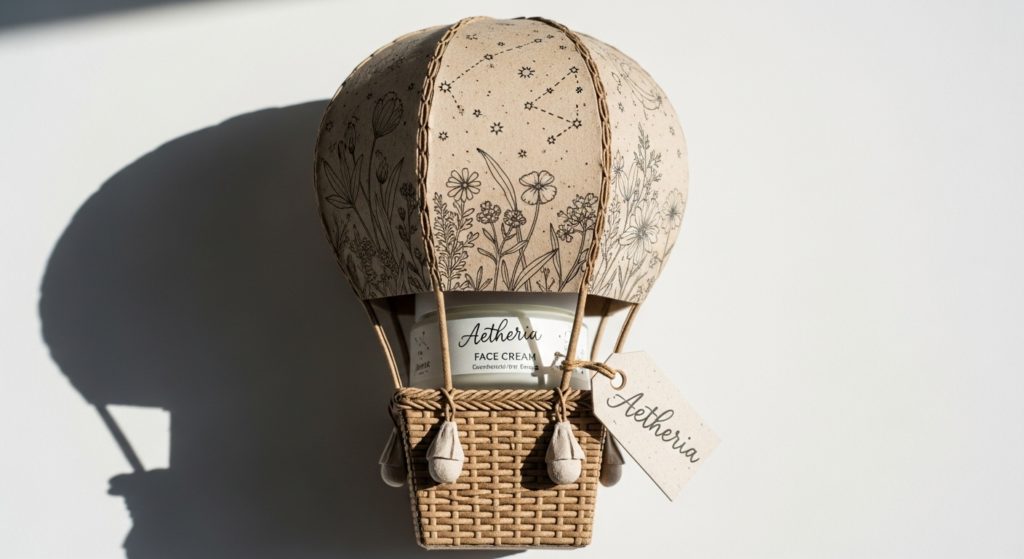
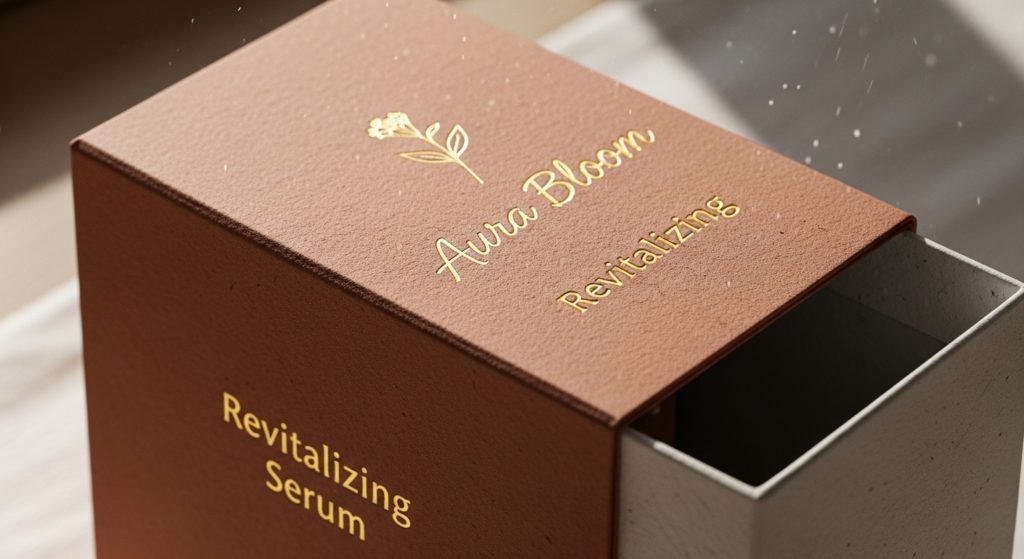
Bespoke packaging allows you to differentiate your products — but it must also be practical. Customisation can range from subtle branding features, such as embossing or foiling, to fully unique forms designed around your product’s shape or story.
The key is to tailor design ambition to operational and budget realities. Overly complex structures might slow production or add unnecessary costs, while thoughtful enhancements can strengthen your brand without disrupting workflow.
When planning, consider:
Material selection: Ensure compatibility with product formulations and shelf-life requirements.
Design efficiency: Will the new format integrate smoothly with existing filling and labelling processes?
Scalability: Can it be adapted across future product ranges or international markets?
Bespoke packaging works best when innovation and practicality move in tandem.
Build Sustainability into Every Decision
Today’s consumers expect brands to act responsibly — and packaging plays a visible role in that commitment. By embedding sustainability from the design stage, you can reduce waste, strengthen brand trust, and align with retailer expectations.
Think about:
Material lifecycle: Choose recyclable or renewable options that maintain product integrity.
Lightweighting: Minimise material use without compromising structure or feel.
Refillable or modular systems: Encourage repeat use and reduce long-term costs.
Sustainability doesn’t mean sacrificing beauty. In fact, modern eco-conscious packaging can look and feel premium when approached with intention.
Prioritise Sensory and Functional Design
Packaging in the beauty sector should be as tactile as it is visual. The way a lid clicks shut, the smoothness of a finish, or the ease of dispensing all shape how your product is perceived. A well-designed pack should invite interaction while ensuring durability and practicality.
Consider how customers will use and store your product — at home, in handbags, or while travelling. Ergonomic design not only improves usability but also reinforces your brand’s reputation for quality and thoughtfulness.
Align Packaging with Operations
A bespoke design must complement your operational workflow. This means thinking beyond aesthetics to how your packaging behaves on the line, in storage, and in transit.
Before finalising a concept, ask:
Will the design fit current machinery, or require adjustments?
How will it perform under varying transport or temperature conditions?
Can it be assembled, filled, and shipped efficiently at scale?
Prototyping and testing are invaluable here. By involving design, production, and supply chain teams early, you’ll reduce costly revisions later and ensure packaging performs seamlessly from concept to consumer.
Keep an Eye on Emerging Trends
Beauty packaging continues to evolve with shifting consumer habits and technology. Staying informed helps you anticipate change rather than react to it.
Key developments shaping the sector include:
Smart packaging that connects physical products with digital experiences.
Hybrid materials combining luxury aesthetics with environmental performance.
Personalisation and limited editions that strengthen emotional connection with consumers.
By adopting trends selectively — and aligning them with your brand identity — you can stay relevant without diluting your core message.
Conclusion
Bespoke packaging is not a luxury — it’s a strategic asset. When you invest in thoughtful design, you’re not just improving aesthetics; you’re shaping perception, enhancing efficiency, and future-proofing your brand.
Whether your goal is to strengthen market presence, meet specific sourcing requirements, or streamline operations, your packaging choices can make the difference between a good product and a memorable one.